The Ultimate Guide to Finding the Best Blogging Platform for Your Needs
Table of Contents
Introduction to Blogging Platforms
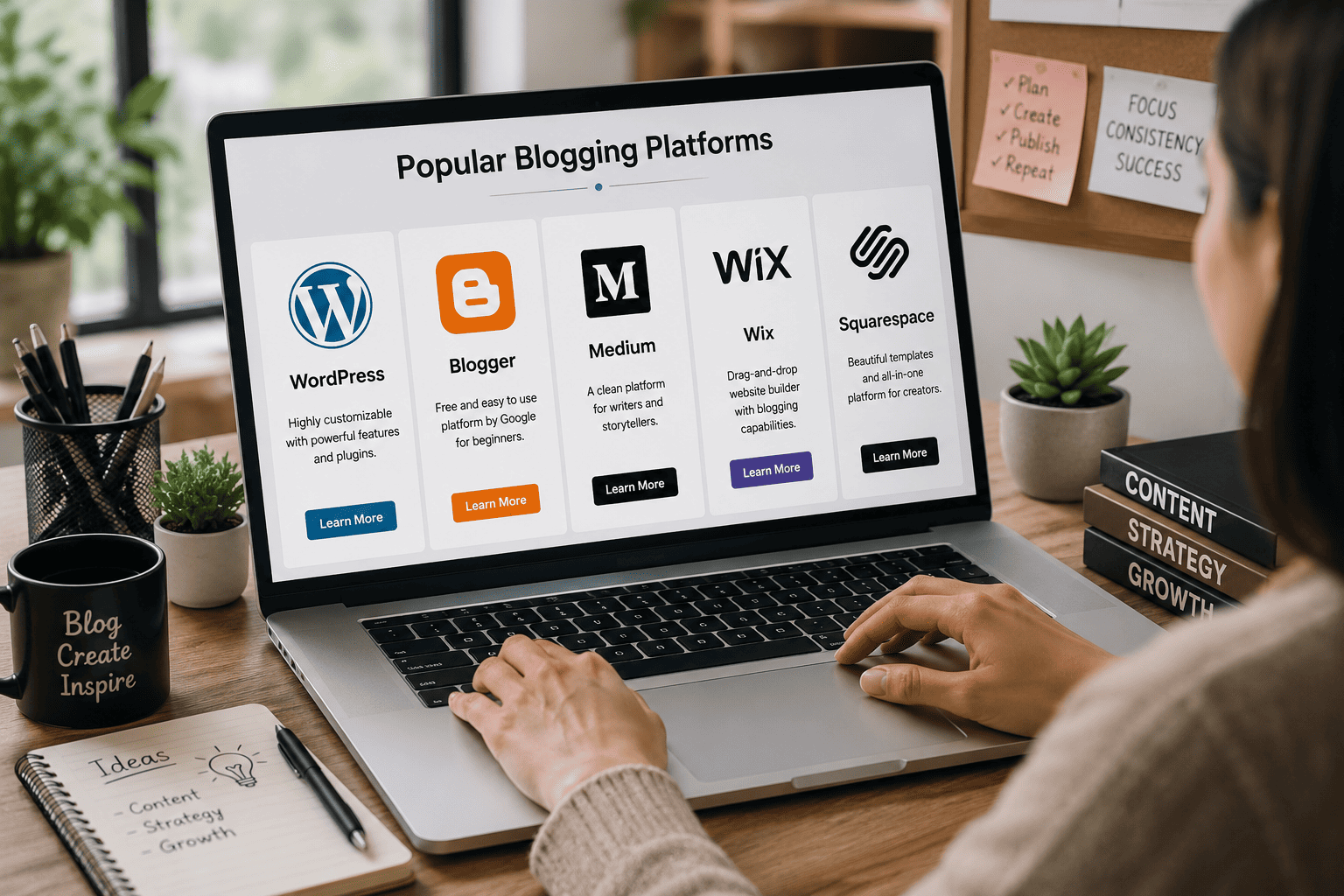
Blogging has become a powerful way for people to express themselves, share information, and build communities. At its core is the blogging platform - a tool that lets individuals and organizations create, manage, and share their content with the world. With so many options available, finding the right platform can be overwhelming, especially for those new to blogging. This article is designed to help you navigate the world of blogging platforms and choose the one that's right for you.
A good blogging platform provides a foundation for establishing an online presence, connecting with your audience, and earning money from your content. Whether you're an experienced blogger or just starting out, the platform you choose can greatly impact your online success. Here, we'll explore the different types of blogging platforms, including popular sites, free options, and top platforms that can help you achieve your goals. We'll also discuss key factors to consider when choosing a platform, such as ease of use, customization options, scalability, and integration with other tools.
What are Blogging Platforms?
A blogging platform is a software or service that allows you to create, edit, and publish blog posts, as well as manage comments, categories, and tags. Some platforms are self-hosted, which means you need to download and install the software on your own server, while others are hosted, providing a cloud-based solution that you can access through a web interface. Popular examples include WordPress, Blogger, and Medium. When selecting a platform, consider your specific needs and goals, as well as your level of technical expertise. For example, if you're comparing different platforms, you might want to evaluate factors like ease of use, customization options, and scalability.
Some key features to look for in a blogging platform include:
- Customization options: The ability to personalize your blog's design, layout, and functionality to fit your brand and style.
- Content management: A user-friendly interface for creating, editing, and publishing blog posts, as well as managing comments and other interactive elements.
- Scalability: The ability to handle increased traffic and growth without compromising performance or functionality.
- Integration: The ability to connect your blog to other tools and services, such as social media, email marketing, and e-commerce platforms.
- Security: Robust measures to protect your blog from hacking, spam, and other malicious activities.
Why Choose the Right Blogging Platform?
Choosing the right platform can make a big difference in your blog's success. A well-designed and user-friendly platform can help you attract and keep a loyal audience, while a poorly chosen platform can lead to frustration and disappointment. The right platform can also save you time and effort, allowing you to focus on creating high-quality content rather than struggling with technical issues. Finally, a good platform can give you the flexibility to grow and evolve your blog over time, adapting to changing trends and audience needs.
In the following sections, we'll take a closer look at the best blogging platforms available, including free options and top platforms, and provide a comprehensive comparison to help you make an informed decision. Whether you're new to blogging or have experience, this article will give you the knowledge and insights you need to choose the perfect platform for your needs and goals.
Key Features to Consider When Choosing a Blogging Platform
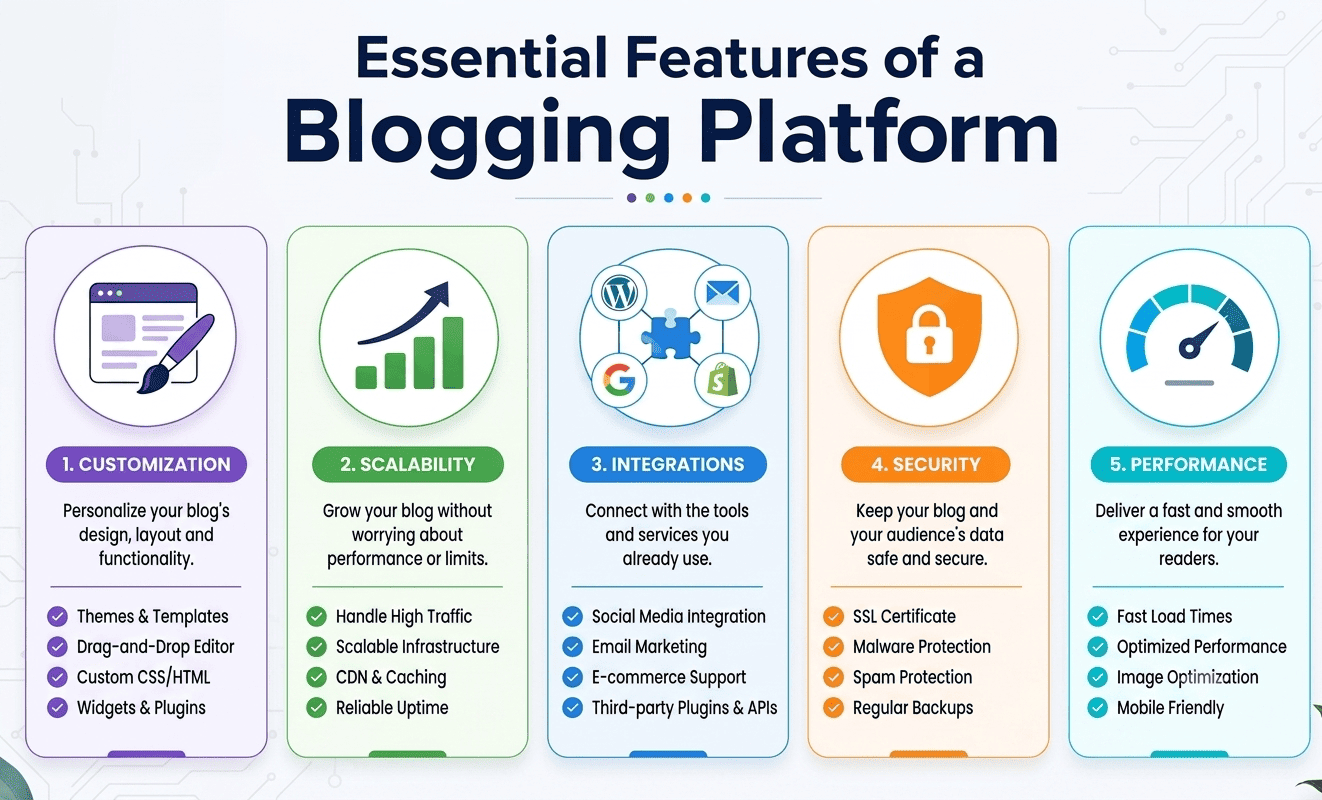
When selecting a blogging platform, consider the features that will impact your blog's performance, scalability, and user experience. Whether you're looking for a free or premium platform, evaluating these features will help you make an informed decision. In this section, we'll explore the essential features to look for in a blogging platform, including customization, scalability, integrations, and security. Understanding these features will help you choose a platform that meets your unique needs and goals.
Customization and Flexibility
A blogging platform should allow you to personalize your blog's design, layout, and functionality to reflect your brand and style. Look for platforms that offer a range of templates, themes, and design options, as well as the ability to customize your blog's code and structure. Some key features to consider include:
- Template options: A variety of pre-designed templates to choose from, including responsive and mobile-friendly options.
- Customizable themes: The ability to customize your blog's theme, including colors, fonts, and layouts.
- Drag-and-drop editors: A user-friendly interface that allows you to easily add and arrange content, widgets, and other elements.
- Code access: The ability to access and modify your blog's code, including HTML, CSS, and JavaScript.
With robust customization options, you can create a unique and engaging user experience that sets your blog apart. Customization is key to establishing your brand and attracting a loyal audience, regardless of whether you're using a top blogging platform or a free one.
Scalability and Performance
As your blog grows and attracts more traffic, you need a platform that can handle the increased demand without compromising performance or functionality. Look for platforms that offer:
- Scalable infrastructure: A robust infrastructure that can handle increased traffic and growth without downtime or performance issues.
- Content delivery networks (CDNs): A network of servers that can distribute your content and reduce load times.
- Caching and optimization: Features that can optimize your blog's performance, including caching, minification, and compression.
- Regular updates and maintenance: A platform that regularly updates and maintains its infrastructure to ensure optimal performance and security.
A platform with robust scalability and performance features will ensure that your blog can handle growth and traffic without compromising the user experience. This is particularly important if you're using your blog for business or e-commerce purposes, as downtime or performance issues can result in lost sales and revenue.
Integrations and Compatibility
You want a platform that can seamlessly integrate with other tools and services, including social media, email marketing, and e-commerce platforms. Look for platforms that offer:
- API access: A robust API that allows you to integrate your blog with other tools and services.
- Plugin and extension support: A wide range of plugins and extensions that can enhance your blog's functionality and integrations.
- Compatibility with third-party services: Compatibility with popular third-party services, including social media, email marketing, and payment gateways.
- Import and export options: Easy import and export options that allow you to transfer your content and data to other platforms.
With robust integrations and compatibility features, you can create a seamless and connected user experience that extends beyond your blog. This is particularly important if you're using your blog as part of a larger marketing or e-commerce strategy, as integrations can help you streamline your workflow and improve your overall efficiency.
Security and Backup Options
You want a platform that can protect your blog from hacking, spam, and other malicious activities, as well as provide robust backup and recovery options. Look for platforms that offer:
- Robust security measures: A range of security measures, including firewalls, malware scanning, and SSL encryption.
- Regular backups: Automatic backups that can be easily restored in case of data loss or corruption.
- Version control: A version control system that allows you to track changes and revisions to your content.
- Two-factor authentication: An additional layer of security that requires a second form of verification to access your account.
A platform with robust security and backup options will protect your blog from potential threats and ensure that your content is safe and secure. This is particularly important if you're using your blog for business or e-commerce purposes, as a security breach or data loss can result in significant financial and reputational damage. Whether you're using a top blog site or a free blogging platform, security and backup options are essential for maintaining a secure and reliable online presence.
Top Blogging Platforms Compared
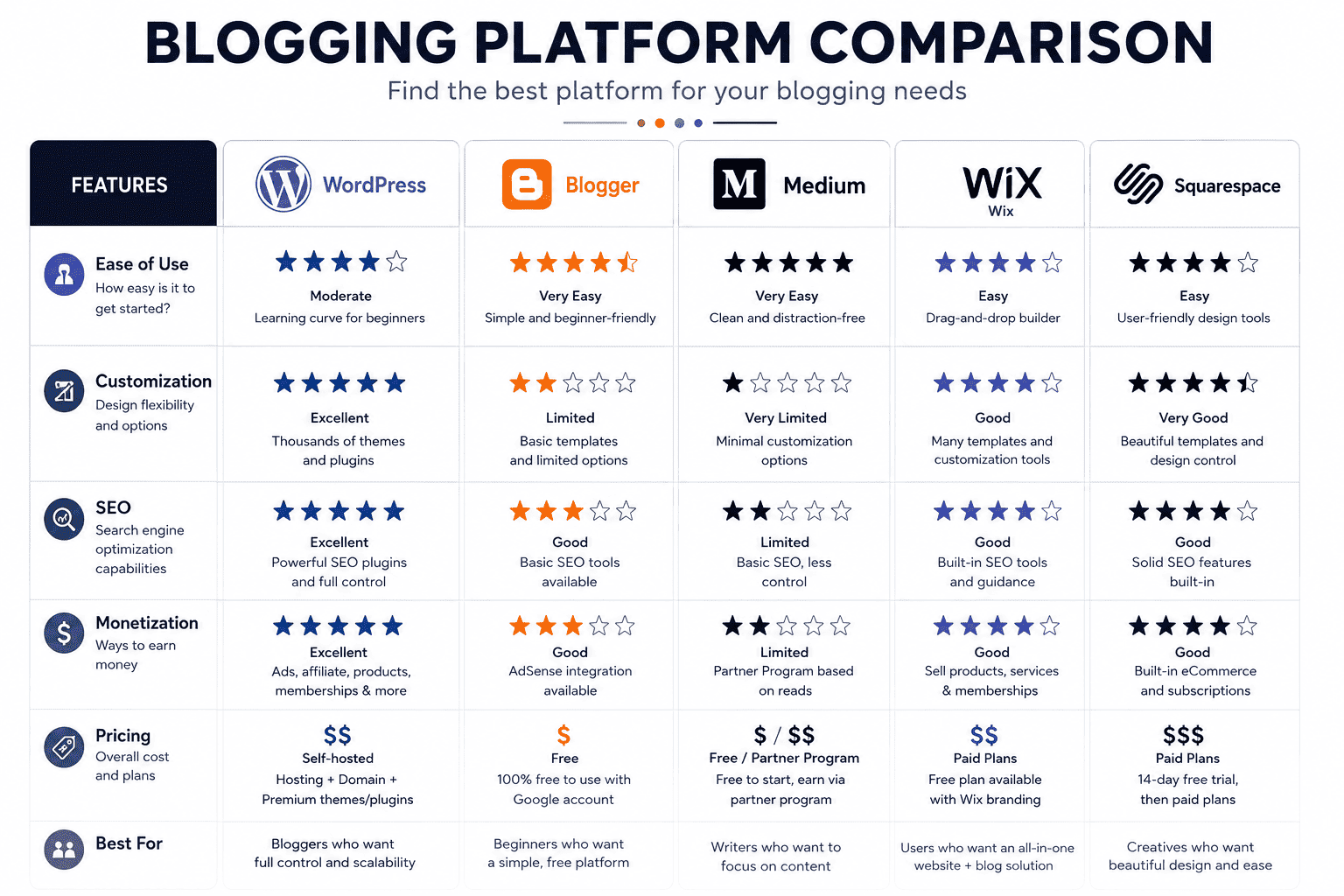
Choosing the right blogging platform can be daunting. To help you decide, we've put together a comprehensive comparison of popular platforms, including their features, advantages, and disadvantages. We'll explore the top options, from WordPress to Medium, and Wix to Squarespace, to help you find the best fit for your blog.
A closer look at each platform's features, pricing, and user experience will help you determine which one aligns with your goals and preferences. We'll highlight the unique characteristics and advantages of each platform, including the best blog sites and free blogging platforms.
WordPress: The Most Popular Blogging Platform
WordPress powers over 60 million websites worldwide, thanks to its flexibility, customization options, and extensive community support. With thousands of themes and plugins to choose from, you can create a unique and functional blog. Some of WordPress's key features include:
- Customizable themes: Thousands of free and paid themes to choose from, allowing you to create a professional-looking blog that reflects your brand.
- Extensive plugin library: Over 50,000 plugins available, providing a wide range of functionality and features to enhance your blog.
- SEO optimization: Built-in SEO optimization tools and plugins to help improve your blog's search engine rankings.
- Community support: A large and active community of users, developers, and designers, providing support, resources, and guidance.
While WordPress offers a lot of features and customization options, it can be overwhelming for beginners. However, its popularity and extensive community support make it an excellent choice for bloggers who want a high degree of control over their blog's design and functionality.
Blogger: A Free and Simple Option
Blogger is a free blogging platform from Google that offers a simple and intuitive interface for creating and publishing blog posts. You can create a blog in minutes, without needing any technical expertise. Some of Blogger's key features include:
- Free hosting: Free hosting for your blog, with unlimited storage and bandwidth.
- Easy customization: A range of customizable templates and themes to choose from, allowing you to create a professional-looking blog.
- Integration with Google services: Seamless integration with other Google services, such as Google Analytics and AdSense.
- Limited monetization options: Limited options for monetizing your blog, compared to other platforms.
Blogger is a great choice for beginners or those who want a simple and free blogging platform. However, its limited customization options and monetization features may not make it the best choice for professional bloggers or those who want more control over their blog's design and functionality.
Medium: A Platform for Writers and Journalists
Medium is a blogging platform designed specifically for writers and journalists, offering a clean and minimalistic interface for creating and publishing high-quality content. With Medium, you can focus on writing and storytelling, without worrying about design and technical issues. Some of Medium's key features include:
- Clean and minimalistic design: A clean and minimalistic design that focuses on the content, rather than the design itself.
- Partner program: A partner program that allows you to earn money based on the engagement your articles receive.
- Limited customization options: Limited options for customizing the design and layout of your blog.
- No advertising: No advertising on the platform, providing a clean and distraction-free reading experience.
Medium is a great choice for writers and journalists who want to focus on creating high-quality content, without worrying about design and technical issues. However, its limited customization options and lack of advertising revenue may not make it the best choice for bloggers who want more control over their blog's design and monetization.
Wix and Squarespace: Website Builders with Blogging Capabilities
Wix and Squarespace are website builders that offer blogging capabilities, allowing you to create a website and blog in one platform. Both platforms offer a range of features, including:
- Drag-and-drop editors: Drag-and-drop editors that make it easy to create and design your website and blog.
- Customizable templates: Customizable templates and themes to choose from, allowing you to create a professional-looking website and blog.
- E-commerce integration: E-commerce integration, allowing you to sell products and services directly from your website and blog.
- Limited flexibility: Limited flexibility and customization options, compared to other blogging platforms.
Wix and Squarespace are great choices for bloggers who want to create a website and blog in one platform. However, their limited flexibility and customization options may not make them the best choice for bloggers who want more control over their blog's design and functionality. By considering the pros and cons of each platform, you can make an informed decision and choose the best blogging platform for your needs, whether you're looking for a free blogging platform, a paid solution, or a top blog site with advanced features and functionality.
Free Blogging Platforms: Are They Worth It?
Choosing a blogging platform is a big decision, and one of the first things to consider is whether to go with a free or paid option. For new bloggers or those on a tight budget, free platforms can be tempting. But before making a decision, it's a good idea to look at the pros and cons of free blogging platforms to see if they're the right fit for your needs. In this section, we'll explore the benefits and drawbacks of free platforms, as well as some alternatives, to help you make a decision that's right for you in your blogging platform comparison.
The Benefits of Free Blogging Platforms
Free blogging platforms have a lot to offer, including cost savings, ease of use, and access to a community of bloggers. You can start blogging right away without spending any money, which is a huge plus for new bloggers or those still figuring out their style. Many free platforms also have user-friendly interfaces and drag-and-drop editors, making it easy to create and design your blog even if you're not tech-savvy. Some popular free options include WordPress.com, Blogger, and Medium, which are known for being easy to use and flexible.
Some key benefits of free blogging platforms include:
- No upfront costs: You don't have to pay anything to get started with a free platform.
- Easy to use: Free platforms often have intuitive interfaces that make it easy to create and design your blog.
- Access to a community: Many free platforms have a built-in community of bloggers where you can connect with other writers and get feedback on your work.
- Low risk: With free platforms, you can experiment with different formats and styles without breaking the bank.
The Limitations of Free Blogging Platforms
While free blogging platforms have their advantages, they also have some significant drawbacks. One major limitation is the limited control over design and functionality, which can make it tough to customize your blog and make it stand out. Free platforms also often have limited ways to make money, which can make it hard to turn your blog into a profitable business. Other limitations include limited storage and bandwidth, restricted access to advanced features, and less flexibility compared to paid platforms.
Some key limitations of free blogging platforms include:
- Limited control over design and functionality: Free platforms often don't give you many options for customizing your blog's look and feel.
- Limited ways to make money: Free platforms often don't offer many ways to earn revenue, which can limit your blog's potential.
- Limited storage and bandwidth: Free platforms often have limits on how much content you can upload and how many visitors you can handle.
- Restricted access to advanced features: Free platforms often don't give you access to advanced features like e-commerce integration, SEO optimization, and social media integration.
Alternatives to Free Blogging Platforms high-income skills
If you want more control over your blog's design and functionality, or if you want to make money from your blog, you might want to consider alternatives to free platforms. Some popular options include self-hosted WordPress, Ghost, and TYPO3, which offer more flexibility and customization options. You could also look into paid blogging platforms like Wix and Squarespace, which offer a range of features and functionality, including e-commerce integration, SEO optimization, and social media integration. When choosing a blogging platform, think about what you need and what you want to achieve, and weigh the pros and cons of each option to find the best blog site for you.
Ultimately, whether or not a free blogging platform is right for you depends on your individual needs and goals. If you're just starting out or want to try out different formats and styles, a free platform might be a good choice. But if you want more control over your blog's design and functionality, or if you want to make money from your blog, you might want to consider other options. By thinking carefully about what you need and what you want to achieve, and by comparing different platforms, you can make an informed decision and choose the best platform for your needs, whether that's a free blogging platform or a paid solution.
How to Choose the Best Blogging Platform for Your Needs
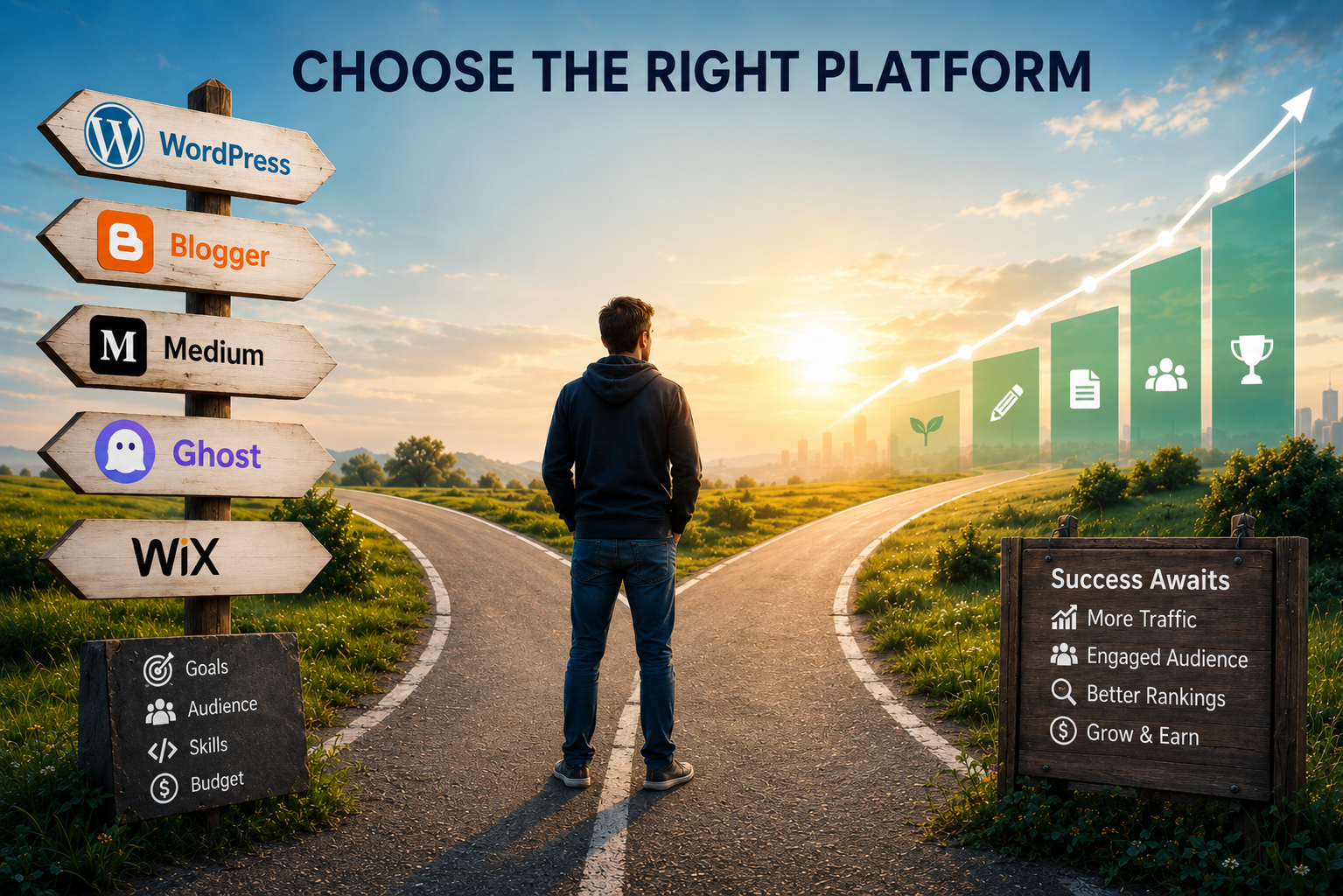
With so many blogging platforms available, selecting the right one can be overwhelming. Whether you're a seasoned blogger or just starting out, the platform you choose will significantly impact your blogging experience. To make an informed decision, consider your objectives, technical expertise, and budget. By examining these factors, you'll find a platform that meets your needs and helps you achieve your goals.
Comparing blogging platforms is key to finding the right fit. You have numerous options, including free and paid solutions. Think about what you want to accomplish with your blog - is it to share your thoughts, build a community, or generate revenue? Once you understand your goals, you can narrow down your options and identify the top platforms that cater to your needs. Consider what sets each platform apart, such as their features, customization options, and support.
Assessing Your Blogging Goals and Objectives
Before choosing a platform, take a step back and define your blogging goals. What do you want to achieve with your blog? Are you looking to establish yourself as an expert, build a loyal following, or monetize your content? Consider the type of content you'll create, your target audience, and the level of engagement you want to encourage. Understanding your goals will help you choose a platform with the necessary features to support your vision. Ask yourself:
- What is the primary purpose of your blog?
- Who is your target audience?
- What type of content will you be creating?
- Do you want to generate revenue from your blog?
- Do you want to build a community or encourage engagement?
Evaluating Your Technical Expertise and Resources
Your technical skills and resources play a significant role in choosing a blogging platform. If you're not tech-savvy, look for a platform that's easy to use and requires minimal technical expertise. If you have experience with coding and web development, you may prefer a platform that offers more flexibility and customization options. Consider the following:
- Your level of technical expertise
- Your available resources, including time and budget
- The level of customization and flexibility you require
- The type of support and documentation provided by the platform
Considering Your Budget and Cost Constraints
Your budget is also an essential factor to consider. While some platforms are free, others require a subscription or a one-time payment. Think about the costs associated with each platform, including any additional features or services you may need. Ask yourself:
- What is your budget for blogging?
- Are you willing to pay for additional features or services?
- Do you require any specific features or functionality that may incur additional costs?
- Are there any free platforms that meet your needs and objectives?
By carefully evaluating these factors and weighing your options, you'll find the best blogging platform for your needs. Whether you're looking for a free option or a paid solution, there are many choices available, including self-hosted WordPress, Ghost, and TYPO3. Remember to consider factors like integration, SEO optimization, and social media integration to find the best fit for your blog. Take your time, and don't be afraid to try out a few options before making a decision.
Blogging Platform Comparison: A Detailed Analysis
Choosing the right blogging platform can be overwhelming, given the numerous options available. To help you make a decision, we've put together a comprehensive comparison of top blogging platforms, including their features, pricing, and user reviews. This section will explore the strengths and weaknesses of the best blog sites, covering both free and paid solutions, such as WordPress, Blogger, Medium, Wix, and Squarespace.
Evaluating blogging platforms requires considering several factors, including customization options, social media and SEO integration, and support. Your budget is also a key consideration, as costs can vary significantly between platforms. By weighing these factors against your specific needs, you'll be able to find the perfect platform for your blog. Our comparison aims to provide a clear understanding of each platform's features, pricing, and user reviews, helping you navigate the world of blogging platforms.
WordPress vs. Blogger: A Head-to-Head Comparison
WordPress and Blogger are two of the most popular blogging platforms, each with its own set of features and customization options. While both offer a range of benefits, they differ significantly in terms of flexibility and control. As a self-hosted platform, WordPress provides unparalleled customization options, whereas Blogger is a free platform with more limited options. Here are some key differences:
- Customization options: WordPress boasts a vast array of themes, plugins, and widgets, allowing for extensive customization, while Blogger's options are more limited.
- Pricing: WordPress requires a self-hosted solution, which means you'll need to pay for hosting and domain registration, whereas Blogger is free.
- Integration: WordPress integrates smoothly with social media and SEO tools, whereas Blogger's integration options are more restricted.
- Support: WordPress has a vast community of users and developers, offering extensive support and documentation, whereas Blogger's support is more limited.
Medium vs. Wix: A Comparison of Features and Pricing
Medium and Wix cater to different blogging needs. Medium is a minimalist platform focused on writing and storytelling, while Wix is a website builder offering a range of features and customization options. Here are some key differences:
- Features: Medium provides a simple, distraction-free writing interface, while Wix offers a range of features, including e-commerce integration and website building tools.
- Pricing: Medium is free, with optional paid features, while Wix offers several pricing plans, including a free plan.
- Customization options: Wix offers extensive customization options, including website templates and design tools, while Medium's options are more limited.
- Integration: Wix integrates smoothly with social media and SEO tools, whereas Medium's integration options are more restricted.
Squarespace vs. WordPress: A Comparison of Customization Options
Squarespace and WordPress are both popular blogging platforms with a range of customization options. Squarespace is known for its sleek, modern designs, while WordPress offers unparalleled flexibility. Here are some key differences:
- Customization options: WordPress offers a vast array of themes, plugins, and widgets, allowing for extensive customization, while Squarespace's options are more limited.
- Design: Squarespace is renowned for its modern designs, while WordPress offers a vast array of themes and design options.
- Pricing: Squarespace offers several pricing plans, including a free trial, while WordPress requires a self-hosted solution, which can incur costs for hosting and domain registration.
- Integration: WordPress integrates smoothly with social media and SEO tools, whereas Squarespace's integration options are more restricted.
To find the best blogging platform for your needs, consider the factors mentioned above and evaluate the features, pricing, and user reviews of each platform. Whether you're looking for a free or paid solution, our comparison provides the information you need to make an informed decision. Consider integration, SEO optimization, and social media integration to find the best fit for your blog. Take your time, and don't hesitate to try out a few options before making a decision.
Frequently Asked Questions About Blogging Platforms
Choosing the best blogging platform can be daunting, especially for beginners. This section tackles some of the most common questions and provides insights to help you make an informed decision. Your blogging needs will dictate which platform is best for you - whether you're looking for a free or paid option, you'll want to consider how easy it is to use, how much you can customize it, and how you can earn money from it. With numerous top blogging platforms available, finding the right one can feel overwhelming.
A closer look at each platform's features, pricing, and user reviews can help you find the best fit for your blog. Some platforms stand out for their range of features, including customization options, SEO optimization, and social media integration. To make a decision, think about what you need from your blog. If you're looking for a free option, WordPress or Blogger might be a good choice, as they offer a range of features and customization options.
What is the Easiest Blogging Platform to Use?
The easiest platform to use depends on your technical skills and what you want to achieve. Some popular platforms are known for being user-friendly. WordPress, for example, is a popular choice among beginners due to its intuitive dashboard and wide range of themes and plugins. Medium and Blogger also have easy-to-use interfaces that don't require a lot of technical know-how. When evaluating a platform's ease of use, consider the following:
- Dashboard and interface: Is the dashboard easy to navigate, and are the features clearly labeled?
- Customization options: How easy is it to customize your blog, and do you need technical expertise to do so?
- Support and resources: Are there enough resources available to help you get started and troubleshoot issues?
By considering these factors, you can find a platform that's easy to use and meets your needs. Whether you're just starting out or have experience with blogging, there are plenty of options available - both free and paid - that cater to different levels of expertise.
Is WordPress the Best Blogging Platform for Beginners?
WordPress is often a top choice for beginners due to its ease of use, flexibility, and wide range of themes and plugins. You can create a professional-looking blog without needing to be a tech expert. WordPress also has a large community of users and developers, which means there are many resources available to help you get started and solve any problems that arise. However, WordPress can be overwhelming at first, especially when it comes to customizing your blog and managing plugins.
Can I Monetize My Blog on a Free Blogging Platform?
While many free platforms offer a range of features, making money from your blog might be limited. Some free platforms don't allow ads or affiliate links, which can limit your earnings. However, some top platforms like WordPress and Blogger do offer ways to monetize your blog, including AdSense and affiliate marketing. When looking at a free platform, consider the following:
- Monetization options: Are there any restrictions on making money from your blog, and are there enough options to earn revenue?
- Customization options: Can you customize your blog to display ads or affiliate links, and are there any limits on customization?
- Ownership and control: Do you have full control over your content, and are there any restrictions on how you can use your blog?
By considering these factors, you can find a free platform that meets your needs and offers ways to earn money. Whether you want to earn a full-time income or just supplement your existing income, there are many top platforms that can help you achieve your goals.
Conclusion: Finding the Best Blogging Platform for Your Success
Now that we've explored the various blogging platforms, their features, and considerations for choosing the best one, let's summarize the key takeaways and provide final recommendations. Whether you're a seasoned blogger or just starting out, selecting the right platform is essential for your success. With numerous options available - including free blogging platforms - it can be overwhelming to make a decision. By considering your needs, goals, and the features of each platform, you can find the best blog site for you.
To find the top blogging platforms that meet your requirements, compare them carefully. Consider factors such as customization options, monetization opportunities, and ownership and control. For instance, WordPress offers a wide range of customization options and monetization opportunities, making it a popular choice among bloggers. In contrast, some free platforms may have limitations on customization and monetization, but they can still be a great option for those just starting out.
When choosing a blogging platform, you have many options. WordPress, Blogger, and Medium are among the top platforms, each with its own strengths and weaknesses. WordPress stands out for its flexibility and customization options, making it a favorite among bloggers. Blogger is ideal for those who want a simple and easy-to-use platform. Medium is perfect for writers who don't need a lot of customization options and want to focus on their craft.
Recap of Key Considerations
Before making a final decision, let's review the key considerations for choosing a blogging platform. These include:
- Customization options: Can you tailor your blog to meet your needs, and are there any limitations on customization?
- Monetization options: Are there any restrictions on making money from your blog, and are there enough options to earn revenue?
- Ownership and control: Do you have full control over your content, and are there any restrictions on how you can use your blog?
- Ease of use: Is the platform user-friendly, and do you need any technical expertise to get started?
- Community and support: Is there a community of users and developers who can provide support and resources to help you get started and solve any problems that arise?
By considering these factors, you can find a platform that meets your needs and helps you achieve your goals. Whether you're looking for a free platform or a paid one, there are many options available that can provide the features and support you need to succeed.
Final Tips for Choosing the Best Blogging Platform
Here are some final tips for choosing the best blogging platform for your success:
- Define your goals: What do you want to achieve with your blog, and what features do you need to achieve those goals?
- Research and compare: Research different platforms and compare their features, pricing, and user reviews to find the best one for your needs.
- Consider your budget: Determine how much you are willing to spend on a platform, and choose one that fits within your budget.
- Read reviews and ask for recommendations: Read reviews from other users and ask for recommendations from fellow bloggers to get a sense of which platforms are the best.
- Test and experiment: Try out different platforms and experiment with different features to find the one that works best for you.
By following these tips and considering the key factors mentioned earlier, you can find the best blogging platform for your success. Remember, the best platform for you will depend on your specific needs and goals, so take the time to research and compare different options before making a decision. With the right platform, you can create a successful and profitable blog that helps you achieve your goals and reach your target audience.
Frequently Asked Questions
Tags
Written by Sharik Rasool
Sharik Rasool is an experienced SaaS SEO Strategist and Editorial Link Builder with over 7 years of hands-on experience. He helps tech brands, B2B startups, and digital creators build domain authority and unlock compound organic traffic growth. Through personalized outreach and database audits, Sharik has helped scale search engine rankings and earn high-quality backlink profiles.