The Ultimate Guide to Starting a Blog for Beginners
Table of Contents
Introduction to Blogging for Beginners
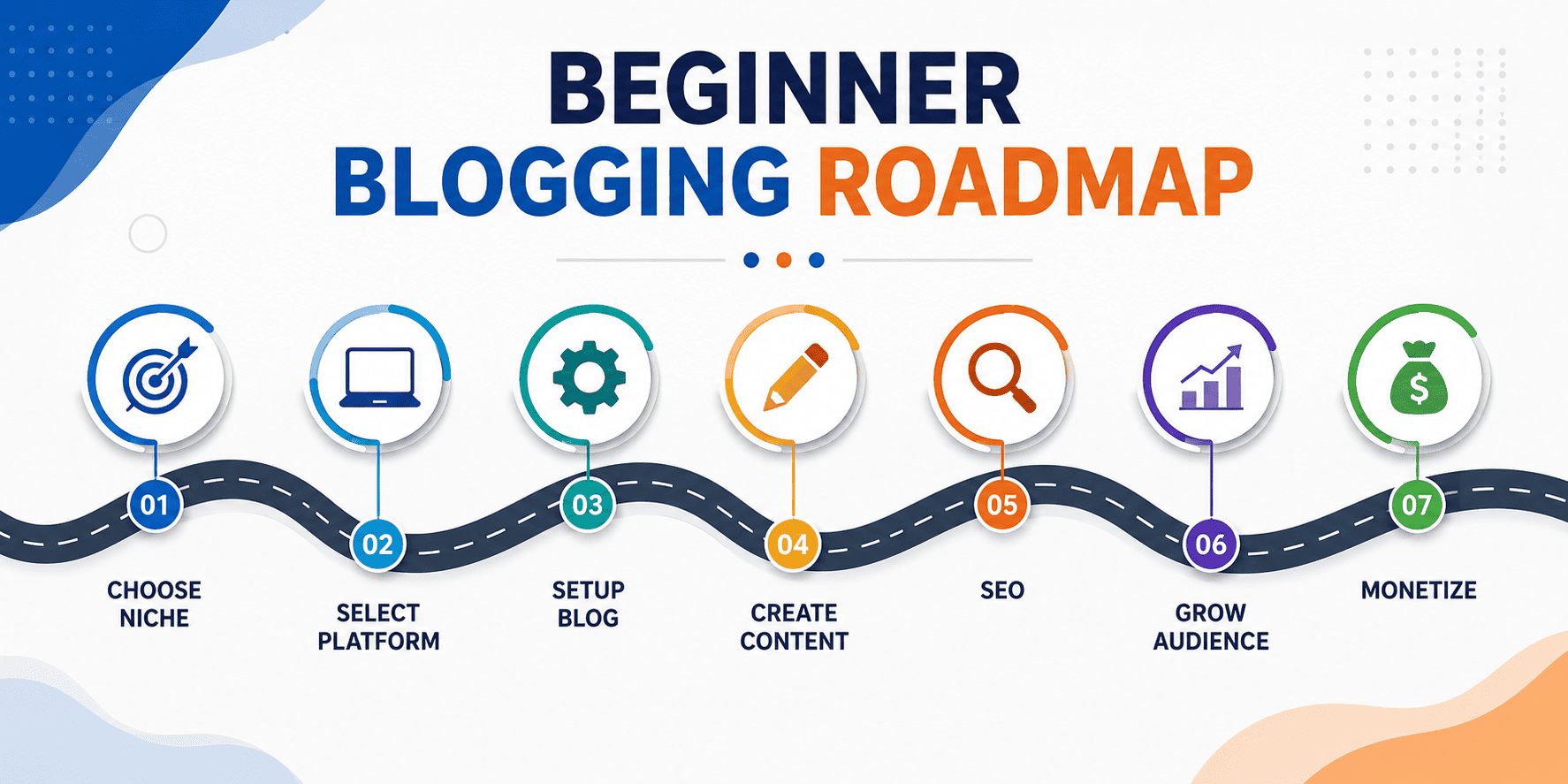
Blogging offers a powerful way for individuals and businesses to express themselves, share their expertise, and connect with a global audience. If you're new to blogging, it can seem overwhelming, but with the right guidance, it can be a highly rewarding experience. This article will explore the concept of blogging, its benefits, and what you can expect from this comprehensive guide, covering everything from the basics to advanced tips and strategies.
As you explore the internet, it's clear why blogging has become so popular. The demand for high-quality, engaging content has never been higher, thanks to the rise of social media, content marketing, and online communities. By learning how to start a blog and create content that resonates with your audience, you can establish yourself as an authority in your niche, build a loyal following, and drive traffic to your website. Whether you want to promote a business, share your passion, or connect with like-minded individuals, blogging provides a unique opportunity to achieve your goals.
In this article, we'll look at the various blogging platforms, tools, and techniques that can help you get started. We'll cover everything from choosing the right platform to creating engaging content, giving you the knowledge and skills you need to succeed. Our goal is to empower you to create a blog that stands out, drives real results, and helps you achieve your online goals. So, let's start with the basics and explore the world of blogging for beginners.
What is Blogging and How Does it Work?
Blogging is essentially the process of creating and publishing online content, such as articles, posts, or entries. This content can take many forms, including written text, images, videos, and audio files. People use blogs for various purposes, such as sharing personal experiences, promoting products or services, or providing educational resources. Understanding how blogging works will help you unlock its full potential and create content that resonates with your audience.
Some key benefits of blogging include:
- Improved search engine optimization and online visibility
- Increased engagement and interaction with your audience
- Establishing yourself as an authority in your niche or industry
- Driving traffic to your website and generating leads
- Building a community and fostering relationships with like-minded individuals
By tapping into these benefits, you can create a blog that drives real results and helps you achieve your online goals. Whether you're promoting a business, sharing your passion, or connecting with others, blogging offers a unique opportunity to achieve your objectives.
Why Start a Blog as a Beginner?
So, why start a blog as a beginner? The answer is simple: blogging offers a unique opportunity to establish yourself online, build a community, and drive real results. By following the righttips and strategies, you can create a blog that stands out and helps you achieve your goals. Some key reasons to start a blog as a beginner include:
- Low barrier to entry: Starting a blog is relatively easy and inexpensive, making it accessible to anyone with an internet connection.
- Flexibility and autonomy: As a blogger, you have complete control over your content, schedule, and audience, allowing you to work at your own pace and focus on the topics that matter most to you.
- Opportunity for growth and development: Blogging provides a unique opportunity to learn new skills, develop your writing and communication skills, and establish yourself as an authority in your niche.
- Potential for monetization: By creating a popular and engaging blog, you can attract advertisers, sponsors, and affiliate partners, generating revenue and turning your passion into a profitable business.
By understanding the benefits and opportunities of blogging, you can make an informed decision about whether starting a blog is right for you. In the next section, we'll explore the process of choosing a blogging platform and setting up your blog, providing you with the knowledge and skills necessary to get started.
Choosing a Niche for Your Blog
When you decide to start a blog, one of the most important decisions you'll make is choosing a niche. This is the topic or theme of your blog, and it will influence your target audience, content strategy, and potential ways to earn money from your blog. For beginners, selecting a suitable niche can be daunting, but with the right guidance, you can make an informed decision that sets your blog up for success. Here, we'll walk through the process of choosing a niche, including how to identify your passions, target audience, and potential ways to earn money, giving you the knowledge and skills you need to create a blog that stands out.
For new bloggers, choosing a niche is a key part of getting started. It's essential to pick a niche that you're passionate about, as this will make creating content and staying motivated much easier. Your niche should be specific enough to attract a dedicated audience, yet broad enough to allow for a range of topics and sub-niches. By choosing a niche that aligns with your interests and expertise, you can create a blog that showcases your authority and provides value to your readers - a key factor in blogging success.
How to Identify Your Niche
To find your niche, start by making a list of topics that excite you. Think about your hobbies, interests, and areas of expertise, and consider how you can create content that helps others. You can also look at popular blogging platforms and trends to see what types of content are currently in demand. Ask yourself: What problems do you want to solve for your readers? What topics do you enjoy discussing? What are your goals for your blog, and how will your niche help you achieve them? By answering these questions, you can narrow down your options and choose a niche that fits your goals and interests.
Some popular ways to identify your niche include:
- Using online tools like Google Trends or Keyword Planner to research popular topics and keywords
- Conducting surveys or polls to gather feedback from potential readers
- Analyzing your social media accounts to see what types of content you engage with and share
- Brainstorming with friends or family members to get their input and ideas
Popular Blogging Niches for Beginners
Some popular blogging niches for beginners include:
- Lifestyle blogging, which can cover topics like fashion, beauty, travel, and food
- Personal finance blogging, which can cover topics like budgeting, saving, and investing
- Health and wellness blogging, which can cover topics like fitness, nutrition, and mental health
- Technology blogging, which can cover topics like gadgets, software, and programming
Niche Selection Tools and Resources
There are many tools and resources available to help you choose a niche, including:
- Niche research tools like Ahrefs or SEMrush, which can help you analyze keywords and trends
- Online communities like Reddit or Facebook groups, which can provide feedback and support
- Blogging courses or tutorials, which can provide guidance and instruction on choosing a niche
- Keyword research tools like Google Keyword Planner or Moz, which can help you identify popular keywords and topics
Selecting the Right Blogging Platform
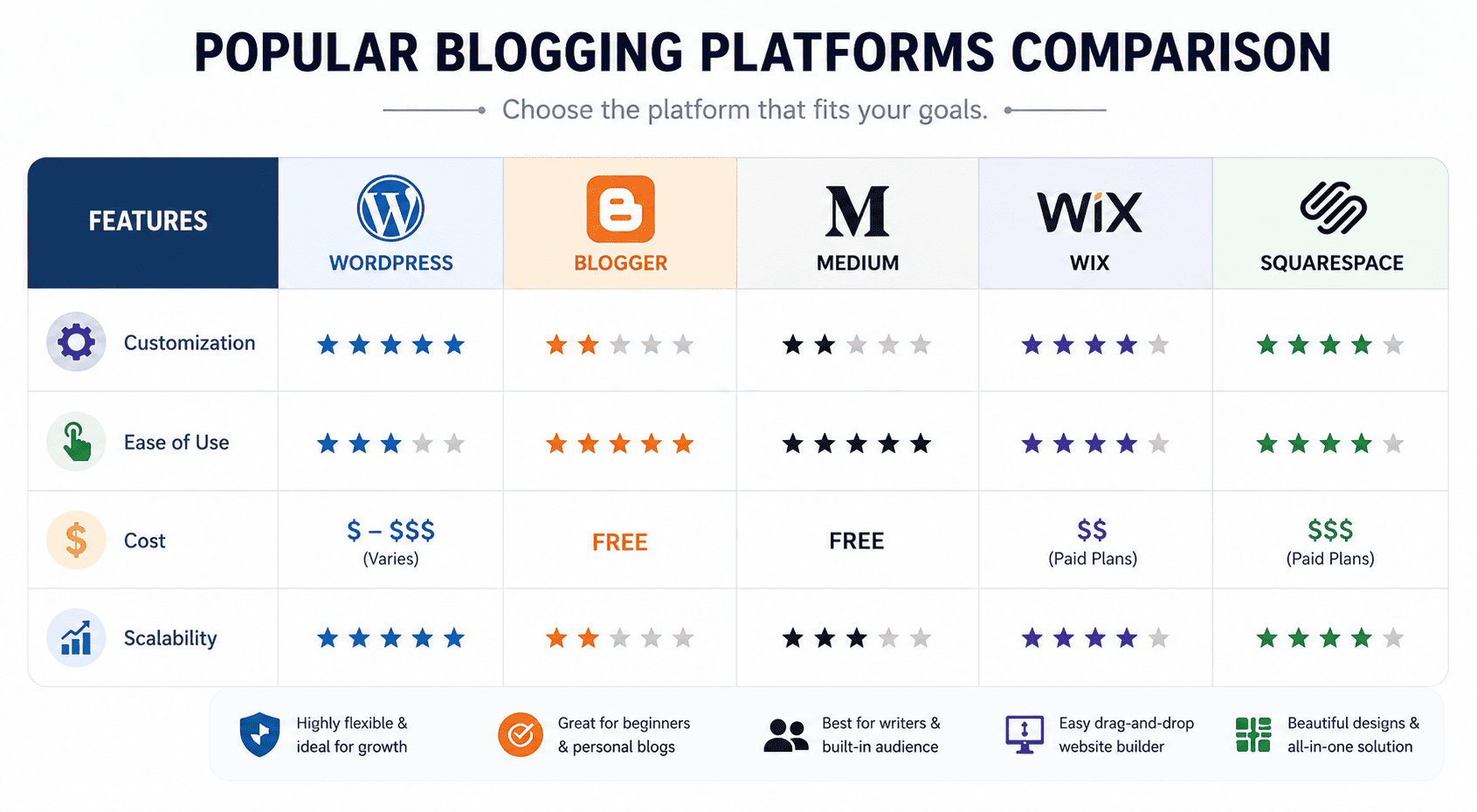
Now that you've chosen your niche, it's time to pick a blogging platform. With so many options out there, it can be tough to decide which one is right for you. In this section, we'll break down the features, pros, and cons of different platforms like WordPress, Blogger, and others to help you make an informed decision. Your platform choice will have a big impact on your blogging experience, whether you're blogging for fun or trying to build a business.
As a beginner, think about what you want to achieve with your blog. Are you looking to share your thoughts and ideas, or do you want to build a business around your blog? Do you have experience with coding and web design, or are you looking for a platform that's easy to use? Answering these questions will help you narrow down your options and choose a platform that fits your needs. It's also important to consider how easy it is to learn and use each platform, as well as the level of support they offer.
Overview of Popular Blogging Platforms
There are many great blogging platforms to choose from, each with its own unique features and benefits. Some popular options include:
WordPress: A self-hosted platform that offers a lot of flexibility and customization options, making it a favorite among bloggers. With thousands of themes and plugins available, you can really make your blog your own.
Blogger: A free, hosted platform from Google that's easy to use and integrates well with other Google services. If you want a simple, no-frills blogging experience, Blogger is a great choice.
Medium: A hosted platform that's all about long-form content and has a clean, minimalistic design. If you're a writer who wants to focus on creating great content without worrying about the technical side of things, Medium is a good option.
Wix: A website builder that also lets you create a blog, with a drag-and-drop editor and a range of templates. Wix is a good choice if you want to build a website with a blog, rather than just a standalone blog.
Squarespace: A hosted platform that offers a range of templates and design options, with a focus on visual storytelling. If you want a professional-looking website with a strong emphasis on design, Squarespace is a great choice. Each of these platforms has its own strengths and weaknesses, and the right one for you will depend on what you're trying to achieve. By taking the time to consider your options and choosing a platform that aligns with your goals, you can set yourself up for success and create a blog that resonates with your readers.
Customization and Flexibility: Key Considerations
When you're choosing a blogging platform, think about how much you want to be able to customize it. If you want to be able to change the design and layout of your blog, a self-hosted platform like WordPress might be the way to go. If you're looking for something easy to use and don't need a lot of bells and whistles, a hosted platform like Blogger or Medium could be a better fit. Here are some things to consider when you're evaluating a platform:
Theme options: Does the platform offer a range of themes and templates to choose from, or can you create your own custom theme?
Plugin and widget support: Can you add plugins and widgets to extend the functionality of your blog, or are you limited to the built-in features?
Design flexibility: Can you change the design and layout of your blog, or are you stuck with a set of pre-designed templates?
Content management: How easy is it to create, edit, and manage your content on the platform?By thinking about these factors and choosing a platform that meets your needs, you can create a blog that reflects your unique voice and style, and that provides value to your readers. Whether you're blogging for personal or professional reasons, the right platform can help you achieve your goals and build a strong online presence.
Setting Up Your Blog: Technical Considerations
Now that you've chosen a blogging platform, it's time to think about the technical aspects of setting up your blog. Registering a domain name, choosing a reliable web host, and initial setup and configuration are all essential steps in creating a professional and functional blog that will attract and retain readers. We'll walk you through this process, providing step-by-step instructions and blogging tips for beginners.Blogging for beginners can be daunting, especially when it comes to the technical setup. However, by breaking it down into manageable steps, you can create a blog that is both visually appealing and functional, providing a great user experience for your readers. Whether you're starting a blog for personal or professional reasons, getting the technical setup right is key to success.
Registering a Domain Name
Registering a domain name is the first step in setting up your blog. This is the address that readers will use to access your blog, and it's a vital part of your blog's identity. When choosing a domain name, consider the following factors:
Relevance: Choose a domain name that reflects your blog's topic or niche.
Memorability: Opt for a domain name that is easy to remember and spell.
Availability: Make sure the domain name you choose isn't already in use by someone else.
Extension: Select a domain extension that suits your blog's topic or location, such as .com, .net, or .io.
Once you've chosen a domain name, you can register it through a domain registrar like GoDaddy or Namecheap. The cost will typically range from $10 to $30 per year, depending on the registrar and the domain extension.
Choosing a Reliable Web Host
With your domain name registered, you'll need to choose a reliable web host to host your blog. Your web host will provide the server space and bandwidth your blog needs to function, along with technical support and features like email hosting and security. When selecting a web host, consider the following:Reliability: Look for a web host with a good reputation for staying online.
Speed: Choose a web host with fast servers to ensure a smooth user experience.
Security: Opt for a web host that offers robust security features, including SSL certificates and malware scanning.
Support: Select a web host that provides helpful technical support to assist with any issues.
Popular web hosts for blogging include Bluehost, SiteGround, and HostGator. These hosts offer a range of plans and features, making them a good starting point for beginners.
Initial Blog Setup and Configuration
With your web host chosen, you can start setting up your blog. This usually involves installing a blogging platform like WordPress and configuring the basic settings, such as the title, tagline, and theme. You may also need to set up email hosting and configure any plugins or widgets you want to use. If you're new to blogging, start with a simple theme and basic settings, then add more features and plugins as you become more comfortable with the platform. By following these steps and using the right tools, you can create a professional and functional blog that provides a great user experience.As you start your blog, think about your long-term goals and strategy. This will help you create content that resonates with your audience and builds a loyal following over time. By combining the right technical setup with a well-planned content strategy, you can create a successful blog that achieves your goals and provides value to your readers. Whether you're blogging for personal or professional reasons, the right technical setup and content strategy can help you succeed and build a strong online presence.
Creating Engaging Content for Your Blog
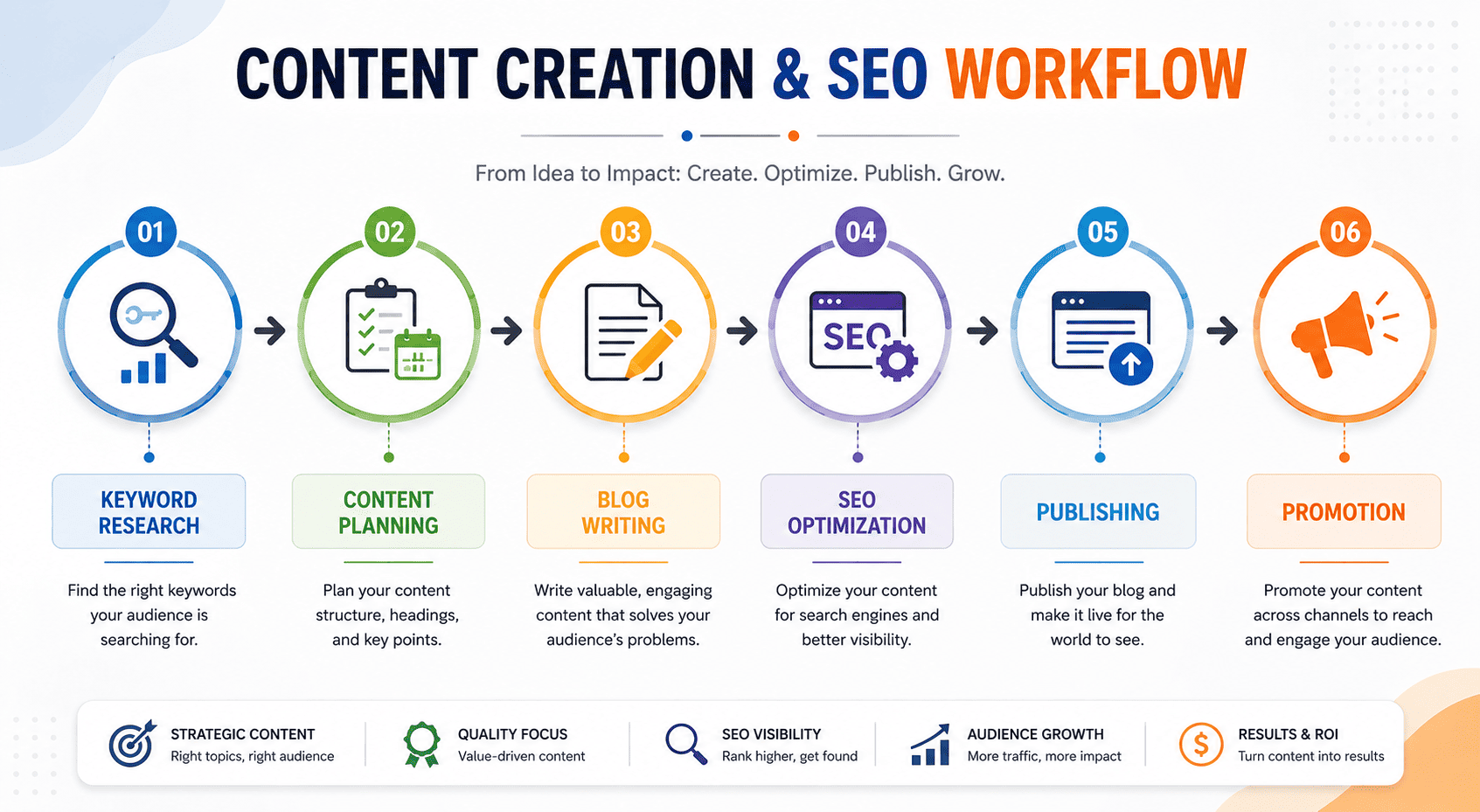
To create content that truly resonates with your audience, you need to understand who they are and what they're looking for. This means identifying their needs, interests, and pain points, and crafting content that addresses these issues. By doing so, you can establish your blog as a trusted source of information and build a loyal following. To get started, put yourself in your readers' shoes and think about what they want to read. This will help you create content that's relevant, informative, and engaging, and provides value to your readers.
Understanding Your Target Audience
To create content that speaks to your audience, you need to know who they are, what they want, and what they need. This involves gathering data about your target audience, including their demographics, interests, and behaviors. You can use social media analytics, surveys, and focus groups to gather this information. By understanding your audience, you can create content that addresses their specific needs and concerns. Some key factors to consider when understanding your target audience include:Demographics: Age, gender, location, and occupation
Interests: Hobbies, passions, and topics of interest
Pain points: Challenges, problems, and areas of concern
Behaviors: How they interact with your blog, social media, and other online platforms.
By considering these factors, you can create content that's tailored to your audience and provides value to them. This will help you build a loyal following and establish your blog as a trusted source of information in your niche. Whether you're blogging for personal or professional reasons, understanding your audience is essential to creating content that resonates with them.
Planning and Writing Compelling Blog Posts
With a deep understanding of your target audience, you can start planning and writing compelling blog posts that speak to them directly. Begin by brainstorming ideas, researching topics, and creating an outline for your post. Consider the tone, style, and format of your post, and make sure it's engaging, informative, and easy to read. Some key blogging tips to keep in mind include:Keep it concise: Break up long paragraphs and use headings and subheadings to make your content easy to scan
Use attention-grabbing headlines: Craft headlines that are informative, creative, and attention-grabbing
Use high-quality images: Use images that are relevant, high-quality, and add visual interest to your post
Optimize for SEO: Use keywords, meta descriptions, and other SEO techniques to improve your search engine rankings
By following these tips, you can create compelling blog posts that engage and inform your target audience. The key to creating great content is to understand your audience and provide value to them through your posts.
Optimizing Your Content for Search Engines
Finally, optimizing your content for search engines is crucial to improving your visibility and reaching a wider audience. This involves using keywords, meta descriptions, and other SEO techniques to improve your search engine rankings. Don't forget to consider the user experience and make sure your content is easy to read, navigate, and share. Some key factors to consider when optimizing your content include:Keyword research: Conduct research to identify relevant keywords and phrases
Meta descriptions: Write compelling and informative meta descriptions that summarize your content
Header tags: Use header tags to structure your content and improve readability
Internal linking: Use internal linking to connect your content and improve user experience
By optimizing your content for search engines, you can improve your visibility, drive more traffic to your blog, and establish your blog as a trusted source of information in your niche. Whether you're just starting out or looking to improve your existing blog, optimizing your content is essential to achieving your goals and building a strong online presence. By following these tips, you can create a blog that provides value to your readers and helps you achieve your goals.
Blogging Tips and Best Practices for Beginners
Starting a blog takes time, effort, and dedication. Once you've set up your blog and begun creating content, developing good habits and strategies is essential to growing your audience and establishing your blog as a trusted source of information. This section will explore some valuable blogging tips and best practices to help you avoid common pitfalls and achieve success in blogging.Regardless of whether you're using popular blogging platforms like WordPress or Blogger, or building a blog from scratch, the principles of successful blogging remain the same. To build a loyal following and drive more traffic to your blog, focus on consistency, engage with your community, and continually learn and improve. By following these tips and best practices, you can set yourself up for success and create a blog that provides value to your readers and helps you achieve your goals.
The Importance of Consistency in Blogging
Consistency is key to building trust with your audience and keeping them coming back for more. Create a content calendar to outline your topics and posting schedule, and set aside dedicated time to write and publish your posts. Consistency offers several benefits, including:Improved search engine rankings: Search engines like Google favor blogs with fresh and relevant content
Increased audience engagement: Consistency helps build trust and loyalty with your audience, leading to increased engagement and participation
Better time management: A content calendar helps you manage your time more effectively and avoid last-minute rushes
Engaging with Your Audience and Building a Community
Engaging with your audience and building a community around your blog is vital to its success. Respond to comments and create a dialogue with your readers. Use social media to promote your blog and connect with your audience. Other ways to engage with your audience and build a community include:Creating a mailing list: A mailing list lets you stay in touch with your audience and keep them informed about new posts and updates
Hosting giveaways and contests: Giveaways and contests can increase engagement and encourage participation from your audience
Collaborating with other bloggers: Collaborating with other bloggers helps you build relationships and establish your blog as a trusted source of information in your niche
Staying Updated with the Latest Blogging Trends
To stay ahead of the curve, it's essential to stay updated with the latest blogging trends and best practices. Attend blogging conferences and workshops, and follow other bloggers and industry leaders in your niche. You can also stay updated by:Reading industry blogs and publications: Staying current with the latest news and trends in your industry helps you create relevant and informative content
Participating in online communities: Online communities and forums help you connect with other bloggers and stay informed about the latest trends and best practices
Experimenting with new tools and technologies: Trying out new tools and technologies helps you stay ahead of the curve and create innovative and engaging content
By following these blogging tips and best practices, you can create a successful blog that provides value to your readers and helps you achieve your goals. Whether you're just starting out or looking to improve your existing blog, the key to success lies in consistency, community engagement, and continuous learning. Stay focused and committed to your goals, and you can build a loyal following and establish your blog as a trusted source of information in your niche.
Search Engine Optimization (SEO) for Bloggers
When you start a blog, getting noticed can be tough. With millions of blogs out there, it's easy to get lost in the crowd. That's where Search Engine Optimization (SEO) comes in - a set of strategies to help search engines like Google understand what your blog is about and show it to the people who are looking for content like yours. In this section, we'll explore the basics of SEO, including keyword research, on-page optimization, and link building, all with a focus on what bloggers need to know.Introduction to SEO: What Bloggers Need to Know
To understand SEO, you need to know how search engines work. Google and other search engines use algorithms to crawl, index, and rank websites based on how relevant, trustworthy, and user-friendly they are. As a blogger, your goal is to create content that resonates with your audience and provides value to them. By optimizing your blog posts for search engines, you can get more eyes on your site and establish yourself as an expert in your niche. Whether you're using blogging platforms like WordPress or Blogger, or create a blog from scratch, SEO is a key part of blogging for beginners.
Here are some key SEO concepts to keep in mind:
Keyword density: How often a keyword or phrase appears in your content
Meta tags: HTML tags that give search engines more information about your blog post, like the title, description, and keywords
Header tags: HTML tags that structure your content, like H1, H2, and H3
Internal linking: Linking to other relevant blog posts on your site to help users navigate and search engines understand your content
Keyword Research and Planning for Blog Posts
Keyword research is a vital part of SEO. It's all about finding the words and phrases your target audience uses to search for content like yours. By using these keywords in your blog posts, you can improve your chances of showing up in search engine results. When doing keyword research, consider the following:Relevance: Choose keywords that match your content and audience
Competition: Look at how many other sites are targeting the same keywords and choose ones with less competition
Search volume: Pick keywords that people are actually searching for, so your content reaches a wider audience
Tools like Google Keyword Planner, Ahrefs, and SEMrush can help with keyword research. By using these tools and following blogging tips for keyword research, you can create a list of target keywords to include in your blog posts. Just remember to keep your content informative, engaging, and easy to read - that's essential for blogging for beginners and experienced bloggers alike.
On-Page Optimization Techniques for Bloggers
On-page optimization is all about making individual blog posts more search engine friendly. This includes optimizing your title tags, meta descriptions, header tags, and content. Here are some on-page optimization techniques to try:Optimize your title tags: Use descriptive, keyword-rich titles that sum up your content
Write compelling meta descriptions: Craft descriptions that make users want to click on your blog post and give a sense of what it's about
Use header tags: Structure your content with header tags to make it easier to read and help search engines understand your content
Optimize your images: Use descriptive alt tags and file names that include your target keywords
By following these on-page optimization techniques and blogging tips, you can improve your blog's visibility, drive more traffic to your site, and establish yourself as an expert in your niche. Remember to always keep your content high-quality, engaging, and informative - that's essential for blogging for beginners and experienced bloggers alike. In the next section, we'll dive into link building and other advanced SEO techniques to take your blog to the next level.
Monetizing Your Blog: Opportunities and Strategies
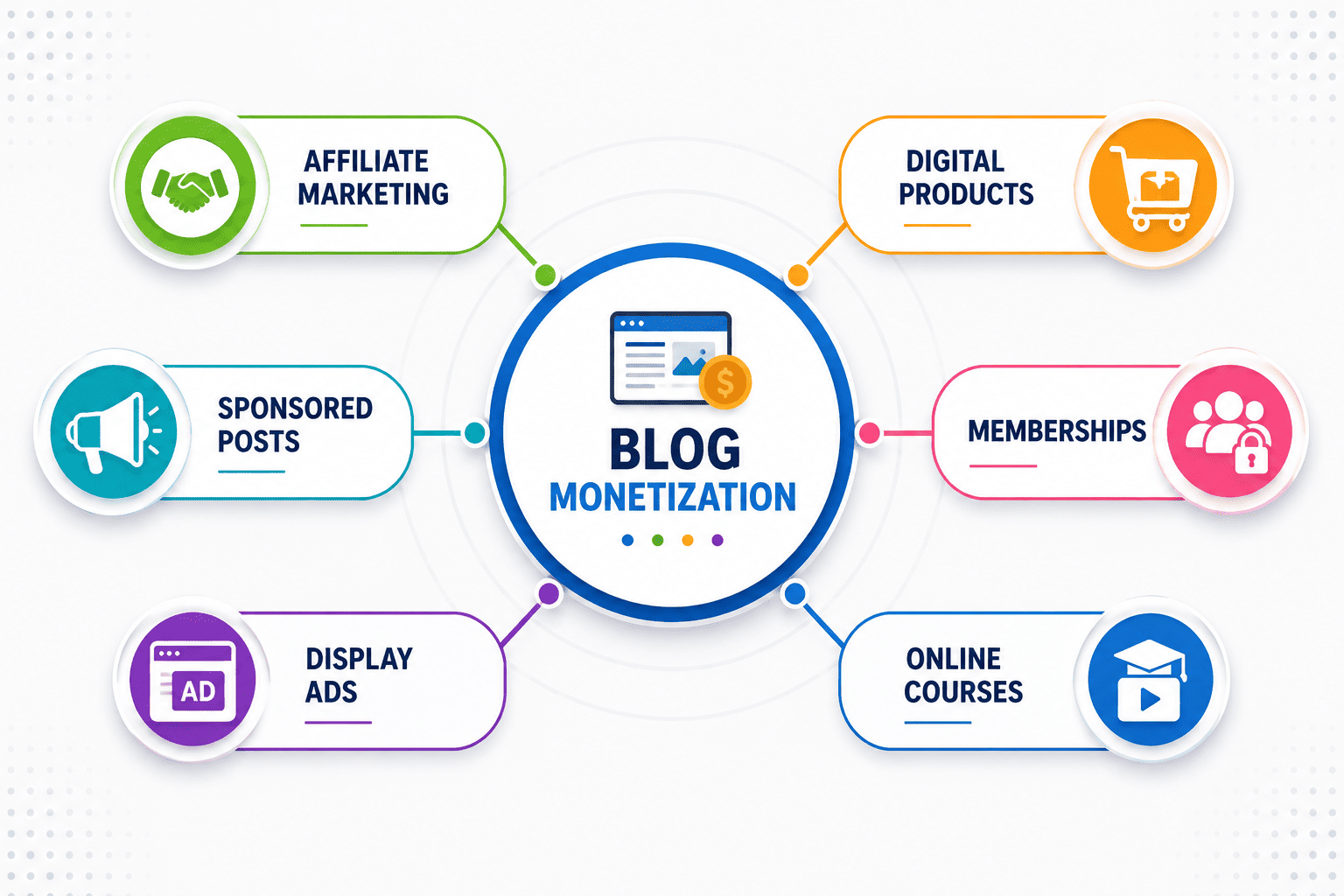
Introduction to Blog Monetization: Getting Started
Before you can start monetizing your blog, you need a solid foundation in place. This means creating high-quality, engaging content that resonates with your audience, building a loyal following, and establishing your blog as an authority in your niche. By optimizing your content with relevant keywords, using blogging platforms like WordPress or Blogger, and promoting your blog on social media, you can increase your blog's visibility and attract potential advertisers and sponsors. As your blog gains traction, you can start exploring monetization opportunities - and that's when things get really exciting.
Popular Monetization Strategies for Bloggers
So, how can you monetize your blog? Here are some popular strategies:
Advertising: You can place ads on your blog, such as Google AdSense, sponsored content, or affiliate marketing, and earn revenue based on clicks or impressions.
Affiliate Marketing: By promoting products or services from other companies, you can earn a commission on sales or referrals - it's a lucrative way to monetize your blog.
Sponsored Content: Partnering with brands to create sponsored posts, product reviews, or tutorials can help you earn money from your content.
Product Sales: Creating and selling digital or physical products, such as ebooks, courses, or merchandise, can provide a passive income stream.
Membership or Subscription-based Models: Offering exclusive content, discounts, or services to loyal readers who pay a monthly or annual fee can provide a steady revenue stream.
When choosing a monetization strategy, think about your niche, audience, and the type of content you create. For example, if you have a blog about how to start a blog or blogging for beginners, affiliate marketing or sponsored content might be a good fit. Experimenting with different strategies and diversifying your income streams can help you find what works best for your blog and audience.
Building Relationships with Brands and Advertisers
Building strong relationships with brands and advertisers is key to successful monetization. You can start by reaching out to companies directly, joining affiliate programs, or working with influencer marketing platforms. To build trust with potential partners, focus on creating high-quality content, engaging with your audience, and providing value. This will increase your chances of securing sponsored content opportunities, affiliate partnerships, or advertising deals. Remember to always disclose sponsored content and follow blogging platforms guidelines to maintain transparency and trust with your audience. With the right approach, you can turn your blog into a profitable business and start earning from your passion.
Frequently Asked Questions
Tags
Written by Sharik Rasool
Sharik Rasool is an experienced SaaS SEO Strategist and Editorial Link Builder with over 7 years of hands-on experience. He helps tech brands, B2B startups, and digital creators build domain authority and unlock compound organic traffic growth. Through personalized outreach and database audits, Sharik has helped scale search engine rankings and earn high-quality backlink profiles.